Draw It in Four Steps
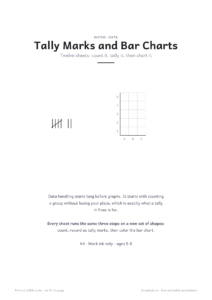
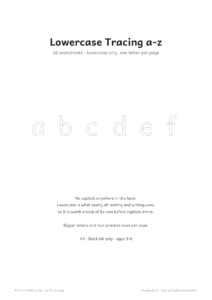
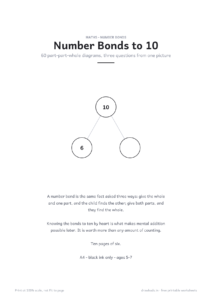
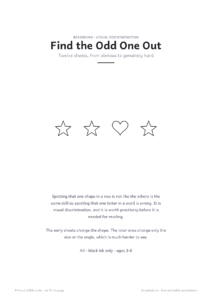
13 printable pages. Twelve pictures, each broken into four steps, with a full-page box to draw in. For every child who says they cannot draw.
- Pages
- 13
- Ages
- 4-9
- Paper size
- A4
- Black ink only
Free to print at home, at school, and in a classroom of thirty.
Twelve pictures, four steps each, and a full-page box to draw in
Children who say they cannot draw usually mean they cannot draw a whole thing at once. Almost anyone can copy one line.
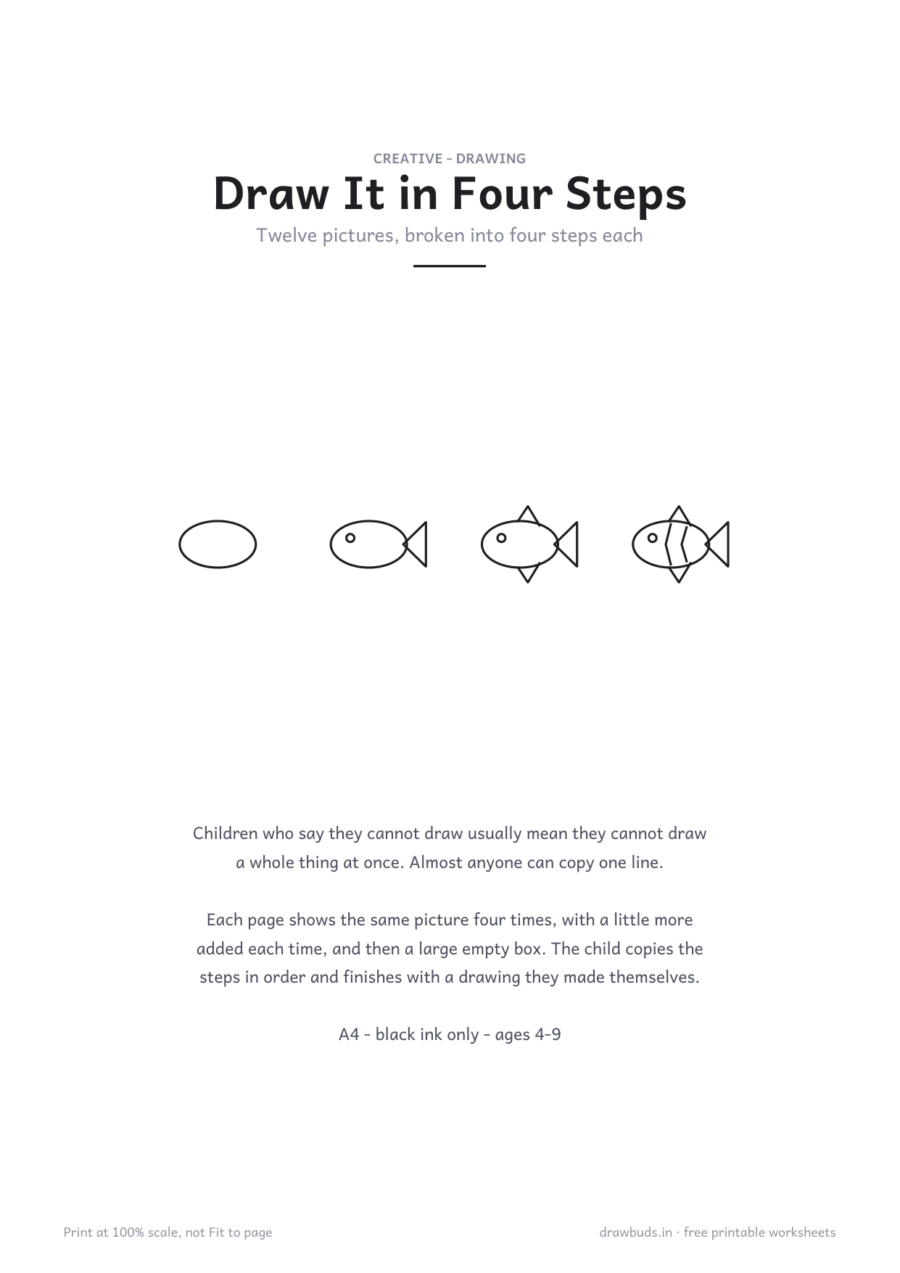
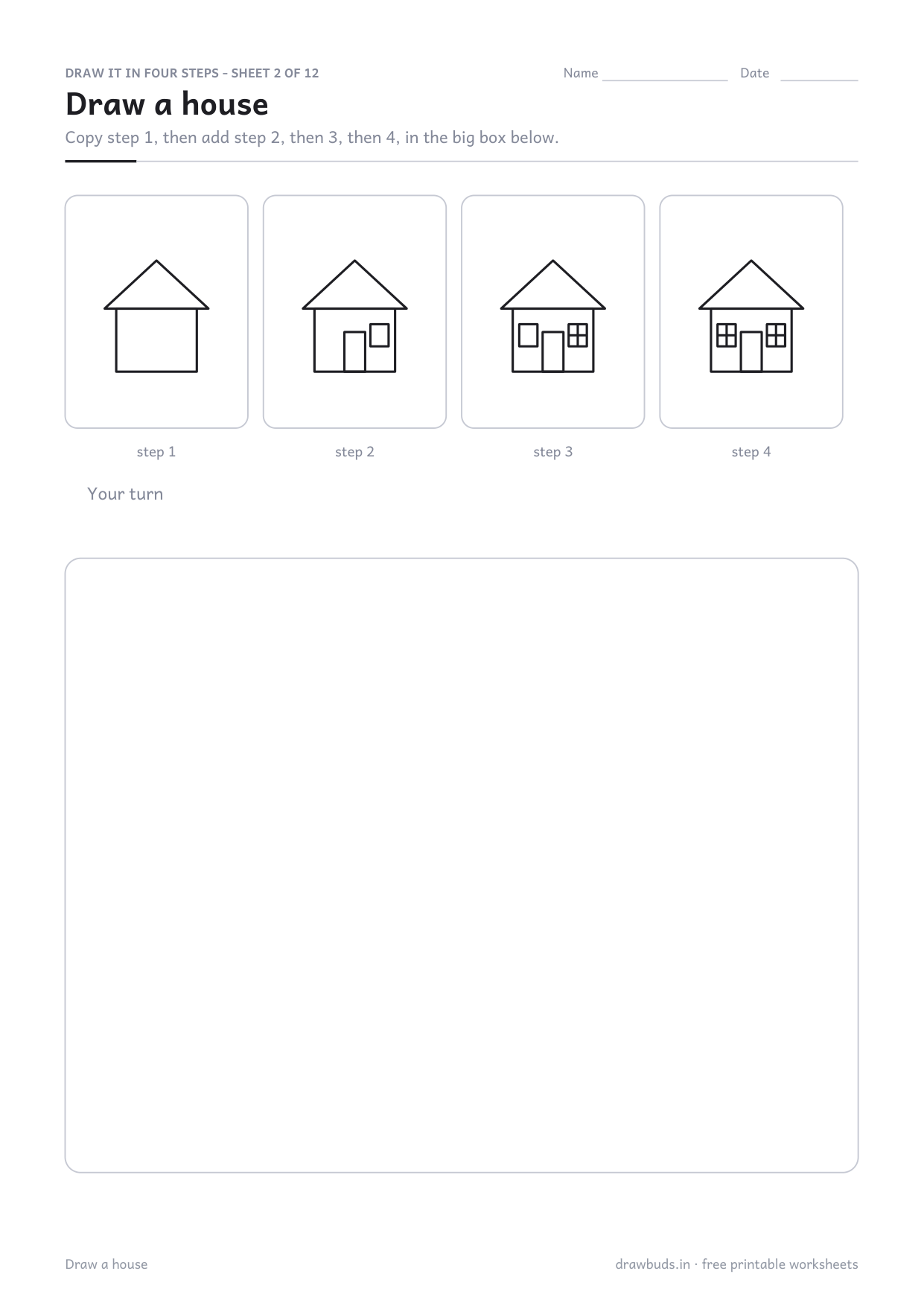
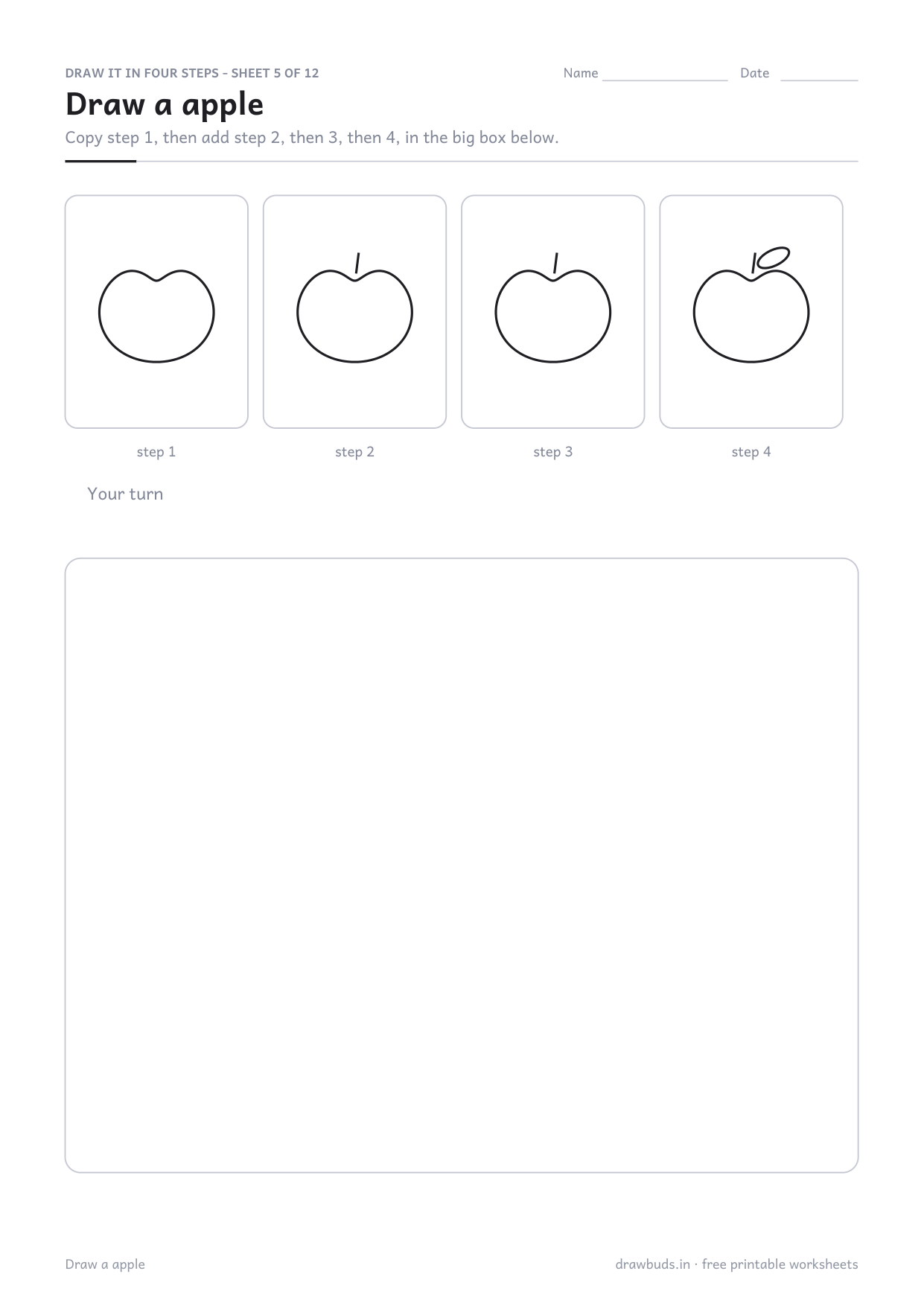
Each page here shows the same picture four times, with a little more added each time, and then gives a large empty box. The child copies step 1, then adds step 2, then 3, then 4, and finishes with a drawing they made themselves.
The twelve pictures
A sun, a house, a flower, a fish, an apple, a tree, a sailboat, a rocket, a balloon, a butterfly, a star and a kite. Each is built from simple shapes, and each step adds one part — the body, then the tail, then the eye, then the fins.
Why the steps are drawn and not written
Step-by-step drawing instructions in words are useless to a four-year-old, who cannot read them, and nearly useless to a seven-year-old, who can read them and still cannot picture “an oval two-thirds the width of the first”. Four pictures say it without a single word.
Draw the whole thing in the box, not four things
The commonest misunderstanding: a child copies step 1 into the box, then step 2 next to it, and ends with four separate drawings. The box is for one drawing that grows. It is worth saying once at the start of the first page.
Pencil first
A pencil can be rubbed out and a felt pen cannot, and the first shape is the one everything else is measured against. Once the four steps are done, going over the lines in pen and coloring it in makes the page worth keeping.
What it is actually teaching
Not drawing, particularly. It is teaching that a hard thing is a sequence of easy things, and that copying carefully gets a result — which is a more useful lesson than any of these twelve pictures. Children who finish two or three of these usually start inventing their own four-step drawings, and that is the point at which the book has done its job.
What comes next
Big Shapes to Color uses the same pictures as outlines to color, and Draw the Other Half is drawing with a grid to lean on.
Printing this one correctly
In your printer dialog set Scale to 100% or Actual size, not Fit to page. Fit to page shrinks the tracing letters and they stop matching the size a child's hand is learning.
Plain paper is fine for crayons and pencils. If your child uses felt pens, 100 gsm paper stops the ink bleeding to the next sheet.